
Your roof is more than just shingles. It’s a system made up of different parts that work together to protect your home from rain, wind, heat, and cold. Each part of the roof has its own job – from keeping water out to helping air flow properly through the attic. Knowing what these parts are and how they work can make it easier to spot problems, plan repairs, and keep your roof in good shape for years to come. In this guide, we’ll break down the main parts of the roof and explain what each one does.
Main Parts of a Roof & What They Do
Every roof is made up of several key components, each serving a unique purpose in keeping your home safe and comfortable. From the shingles that take the brunt of the weather to the hidden elements that manage airflow and moisture, each piece of the structure plays an important role.

Shingles
Shingles form the outermost layer of the roof, protecting it from rain, wind, and sunlight. Asphalt shingles are the most common choice for residential roofs, offering water resistance, UV protection, and a variety of colors and styles. Other materials, such as wood, metal, or slate, can also be used, depending on the desired look and budget.
Underlayment
Underlayment sits between the shingles and the roof decking, providing a protective layer that serves as a secondary water barrier during wind-driven rain or shingle damage. Modern underlayment options include felt, synthetic materials, and modified bitumen. Building codes often specify underlayment requirements, especially for low-slope roofs.
Decking (Sheathing)
Decking, typically made from plywood or oriented strand board (OSB), forms the solid base of the roof. It supports the shingles, underlayment, and flashing, providing a secure surface for all roofing materials to attach to. Damaged decking should be replaced promptly to maintain structural integrity.
Trusses or Rafters
Trusses and rafters are the structural framework that shape the roof and transfer its weight to the exterior walls. They also provide the spacing and support for attic insulation. Proper design and spacing are essential for withstanding heavy snow loads, high winds, or other regional climate challenges.
Flashing
Flashing is made from metal (often aluminum or galvanized steel) and is installed around roof joints, valleys, chimneys, skylights, and other penetrations. Its purpose is to direct water away from vulnerable areas and prevent leaks. Properly installed flashing is one of the most effective defenses against water intrusion.
Drip Edge
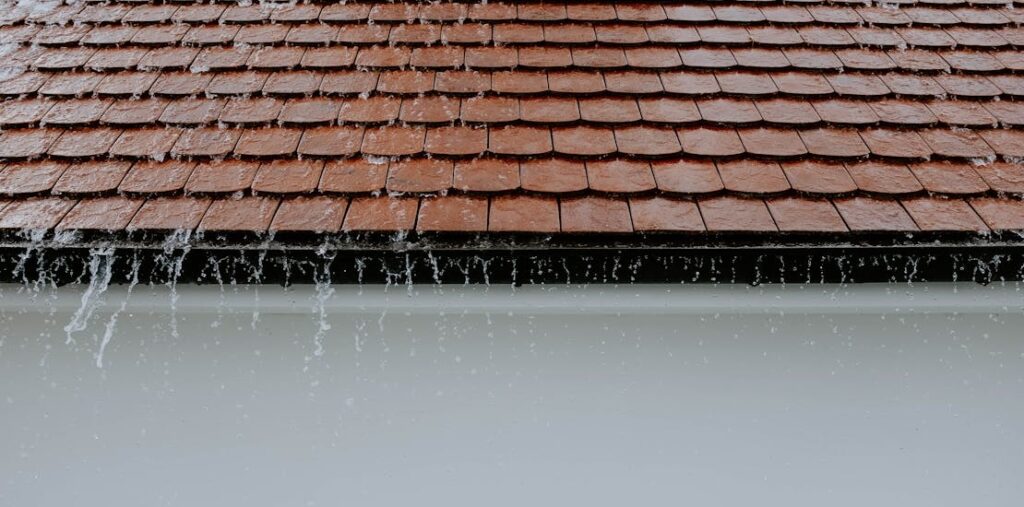
A drip edge is a thin strip of metal installed along the edges of the roof. It directs water into the gutters and away from the fascia, preventing rot and water damage. Drip edges are now a standard requirement in most building codes.
Fascia
The fascia is the vertical finishing edge connected to the ends of the rafters or trusses. It supports the gutters and helps protect the roof’s edge from water intrusion. Fascia boards also provide a clean, finished look along the eaves.
Soffit
The soffit is located beneath the eaves and covers the underside of the roof overhang. It often contains vents that allow fresh air into the attic, supporting proper ventilation. A well-maintained soffit helps prevent moisture buildup and discourages pests from entering.
Ventilation
A balanced ventilation system works year-round to regulate temperature and moisture in the attic. In the summer, it moves hot air out, reducing cooling costs and shingle aging. In the winter, it removes moisture that can lead to mold growth. Ridge vents paired with soffit vents are a common and efficient setup.
Gutters and Downspouts
Gutters channel rainwater along the roof edge, while downspouts carry it away from the foundation. This prevents soil erosion, basement leaks, siding damage, and foundation problems. Regular cleaning and maintenance are essential for keeping the gutter system working properly, especially in areas prone to heavy rainfall.
Why All Parts of the Roof Matter
A roof works as a complete system, with each component supporting the others. Shingles shed water, underlayment adds a backup barrier, flashing keeps water out of vulnerable seams, and gutters move runoff away from your home. If even one part fail, such as cracked flashing, rotted fascia, or clogged gutters, the whole system is compromised. This can lead to leaks, structural damage, and higher energy costs. Taking care of all parts of the roof helps preserve your roof lifespan, protect your home’s structure, and maintain its safety and comfort.
Maintenance Tips for Different Roof Parts
Keeping your roof in good condition starts with regular care for each component:
- Shingles: Replace damaged or missing ones right away.
- Underlayment: Inspect during repairs or reroofing projects.
- Decking: Look for sagging or soft spots during attic checks.
- Flashing: Check around chimneys, skylights, and vents for gaps or rust.
- Drip edge: Make sure it’s securely attached and free of damage.
- Fascia & soffit: Inspect for rot, cracks, or signs of pests.
- Ventilation: Ensure vents are clear and unblocked.
- Gutters and downspouts: Clean regularly, especially in fall and spring.
Seasonal roof inspections in Raleigh, NC, ideally in spring and fall, help catch problems early. Clearing debris after storms, trimming overhanging branches, and addressing small repairs quickly can extend the life of every roof part.
When to Call a Roofing Professional
While homeowners can handle basic upkeep, some issues require expert attention. If you see curling shingles, widespread leaks, rotted fascia, or damaged flashing, it’s time to call experienced roofing contractors in Raleigh, NC. Professionals can inspect every part of the roof, identify hidden damage, and recommend repairs or replacements that will protect your home for years to come. Acting quickly prevents small problems from turning into costly structural repairs.
Keeping Every Part of Your Roof in Top Shape
Understanding the main parts of the roof and their functions helps you take better care of your home. Each piece plays a role in keeping your property safe, dry, and energy efficient. Regular inspections, seasonal maintenance, and timely repairs will keep your roof performing at its best. If it’s been a while since your last inspection, or you suspect damage, schedule a visit from trusted roofing professionals to make sure every part of your roof stays in top shape.