When you look at your roof, the first things you notice are usually the shingles or tiles, but there is much more to a strong and durable roofing system. Two often-overlooked parts of roof are soffit and fascia, which sit along the roofline and quietly protect your home every day. The soffit is located beneath the roof overhang and allows air to circulate through the attic, helping control temperature and moisture. The fascia is the vertical board that supports the edge of the roof and gutters. Together, soffit and fascia combine function with curb appeal, ensuring your roof performs at its best.
What Is a Soffit
A soffit is the material installed beneath the overhang of your roof. Its main purpose is to protect the rafters from exposure while allowing fresh air to flow into the attic. Proper ventilation keeps temperatures balanced, prevents moisture buildup, and reduces the chance of mold or rot. Available in materials such as vinyl, aluminum, or wood, soffits also enhance the overall look of your home by giving the roofline a finished appearance.
What Is Fascia
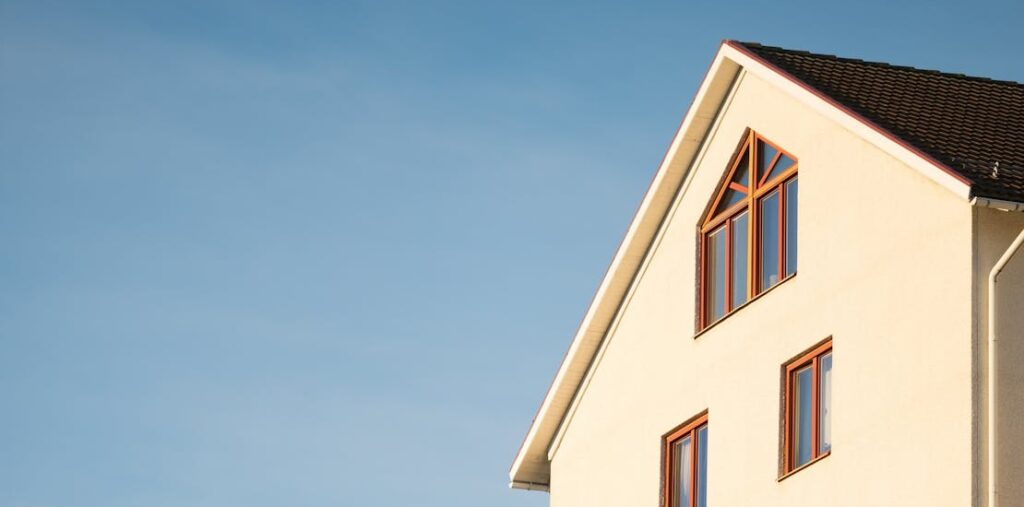
Fascia is the vertical board that runs along the lower edge of your roof, just behind the gutters. It provides critical structural support by holding the gutters in place while protecting the edge of the roof from weather damage. Fascia also adds a clean, polished finish that boosts curb appeal. Many homeowners rely on trusted roofing companies in North Carolina to inspect, repair, or replace soffit and fascia so their roof continues to perform at its best.
Signs You Need Soffit or Fascia Repair
Although soffit and fascia are built to protect your home for years, they are constantly exposed to the elements. Over time, wind, rain, pests, and moisture can cause damage that weakens your roofline. Spotting these issues early helps prevent bigger and more expensive problems down the road. Some of the most common signs include:
- Peeling or flaking paint – often the first visible sign that water is affecting the surface of the boards.
- Soft, warped, or rotting areas – usually caused by trapped moisture or leaks, which compromise the material’s strength.
- Cracks, gaps, or holes – small openings that allow insects, squirrels, or birds to enter your attic.
- Sagging or detached gutters – fascia boards may be too weak to support the weight of your gutter system.
- Poor airflow or high attic humidity – damaged soffits can restrict ventilation, leading to condensation, mold, and higher energy costs.
- Visible water stains – discoloration around the roof edges often indicates leaks or failing protective layers.
If you notice any of these issues, do not wait until the damage spreads to your roof deck or interior. A trusted Raleigh NC roof repair company can inspect your soffit and fascia, make the necessary repairs, and ensure your entire roof system stays strong.
How Soffit and Fascia Protect Your Roof And Home
Soffit and fascia may look like finishing details, but together they provide essential protection for your home. The soffit keeps air circulating through the attic, which prevents heat and moisture from building up. Without this ventilation, condensation can lead to wood rot, mold growth, and higher energy costs. Fascia acts as the first barrier for the edge of your roof. It shields the rafters from rain and snow while also supporting the gutters that carry water away from your home’s foundation.
When properly maintained, soffit and fascia can last anywhere from 20 to 30 years, depending on the materials used and exposure to the elements. By protecting the roofline and improving curb appeal, they extend the overall lifespan of your roofing system. If either one begins to fail, however, your entire roof becomes more vulnerable, which is why inspections and timely repairs are key to long-term protection.
Replacement vs. Repair: What’s Right for You?
When soffit or fascia show signs of damage, the big question is whether repair is enough or if a full replacement is the smarter choice. The answer often depends on the extent of the problem, the age of the materials, and your long-term roofing goals.
- When repair makes sense: Small cracks, peeling paint, or minor water damage can often be fixed with targeted repairs. This option is cost-effective and works best if the soffit and fascia are still within their expected lifespan and the damage is isolated.
- When replacement is better: If the boards are rotting, warped, or pulling away from the roofline, repairs may only serve as a temporary fix. In these cases, replacement ensures lasting protection. Upgrading to more durable materials such as vinyl or aluminum can also improve energy efficiency, reduce maintenance, and extend the overall life of your roof.
A professional inspection will help you decide which option is right for your home. Whether it is a simple repair or a full replacement, addressing problems early prevents more costly roof and structural issues down the road.
Protect Your Roofline with Expert Care
Soffit and fascia may not be the most noticeable parts of your roof, but they are among the most important. By providing ventilation, supporting gutters, and shielding your home from moisture and pests, they extend the lifespan of your entire roofing system. When these components begin to show signs of wear, addressing the problem quickly helps you avoid costly repairs and protects the long-term value of your home. Whether your soffit or fascia need repair or full replacement, regular inspections and timely maintenance will ensure your roof continues to perform at its best for years to come.